Financial stability is one of the most important foundations for a secure and stress-free life. Yet millions of people across the United States struggle when unexpected expenses appear. A sudden medical bill, a car repair, or even a temporary job loss can quickly turn into a financial crisis if there is no safety net.
That is where an emergency fund becomes essential. An emergency fund is a dedicated savings reserve designed to cover unexpected expenses without forcing you to rely on credit cards, loans, or high-interest debt. It acts as a financial buffer that protects you during difficult moments.
Many Americans know they should have emergency savings, but they are unsure where to start or how much they need. Others believe it is impossible to save because of rising living costs, rent, or debt obligations.
The good news is that building an emergency fund is achievable for almost anyone when approached step by step. Even small contributions can grow into a strong financial cushion over time.
This comprehensive guide explains how to build an emergency fund in the U.S. step by step, covering practical strategies, realistic savings goals, and smart financial habits that help you prepare for life’s unexpected challenges.
What Is an Emergency Fund?
An emergency fund is money set aside specifically for unexpected financial situations. It is not meant for regular spending, vacations, or planned purchases. Instead, it exists purely to protect you during emergencies.
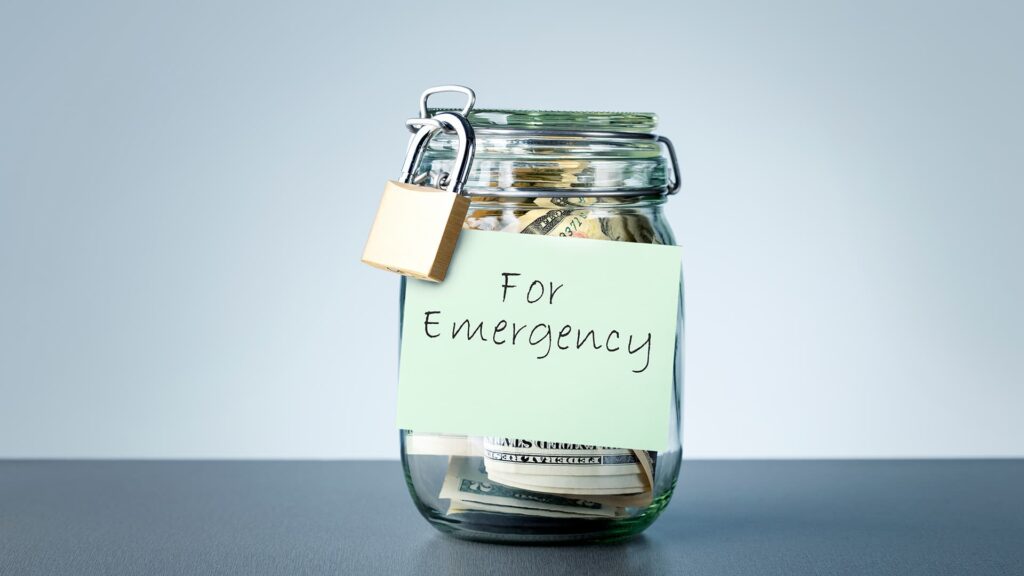
Common situations where an emergency fund may be used include:
- Medical expenses not covered by insurance
- Car repairs or transportation emergencies
- Unexpected home repairs
- Sudden job loss or income reduction
- Emergency travel for family matters
- Urgent childcare expenses
Without emergency savings, people often turn to credit cards or payday loans. These options can quickly lead to high interest debt and long-term financial stress.
An emergency fund helps you avoid these situations by giving you immediate access to cash when you need it most.
Why Emergency Funds Are Essential in the U.S.
Living in the United States comes with many financial opportunities, but it also includes unpredictable expenses. Healthcare costs, housing, transportation, and insurance can become extremely expensive when emergencies happen.
According to various financial studies, a large percentage of Americans would struggle to cover a sudden $1,000 expense. This highlights how important emergency savings truly are.
Having an emergency fund provides several powerful benefits.
Financial Security
Unexpected events can happen at any time. A financial cushion ensures you are prepared and protected when they do.
Reduced Stress
Money problems are one of the biggest sources of stress in modern life. Knowing you have emergency savings provides peace of mind.
Debt Prevention
When emergencies happen without savings, people often rely on credit cards or high-interest loans. An emergency fund helps avoid this cycle.
Greater Financial Freedom
With emergency savings, you gain flexibility. For example, if you lose your job or want to change careers, you have time to make thoughtful decisions instead of rushing into the first available option.
How Much Should Your Emergency Fund Be?
Financial experts generally recommend saving three to six months of essential living expenses.
However, the exact amount depends on your personal situation.
Basic Emergency Fund: $1,000
For beginners, a simple first goal is to save $1,000. This amount can cover many small emergencies such as minor car repairs or unexpected bills.
Standard Emergency Fund: 3–6 Months of Expenses
Once you reach the $1,000 milestone, the next step is building a larger fund that covers several months of essential costs.
Essential expenses include:
- Rent or mortgage
- Utilities
- Food
- Transportation
- Insurance
- Minimum debt payments
For example:
Monthly essential expenses: $3,000
Emergency fund target (3 months): $9,000
Emergency fund target (6 months): $18,000
Larger Emergency Funds
Some people prefer saving 6 to 12 months of expenses, especially if they:
- Are self-employed
- Work in unstable industries
- Have dependents
- Own a business
The goal is to create a safety net large enough to protect your lifestyle during difficult times.
Step-by-Step Guide to Building an Emergency Fund
Building an emergency fund may seem overwhelming, but breaking the process into simple steps makes it much more manageable.
Below is a practical roadmap anyone can follow.
Step 1: Calculate Your Essential Monthly Expenses
Before deciding how much to save, you must understand your monthly financial needs.
Focus only on essential expenses, not lifestyle spending.
Typical essentials include:
- Housing
- Utilities
- Groceries
- Transportation
- Insurance
- Childcare
- Minimum loan payments
Add these expenses together to determine your monthly survival budget.
For example:
Rent: $1,400
Utilities: $250
Food: $500
Transportation: $300
Insurance: $200
Minimum debt payments: $250
Total essential expenses: $2,900 per month
With this information, you can calculate your emergency fund goal.
Step 2: Set Your Initial Savings Goal
Trying to save several months of expenses immediately can feel overwhelming. Instead, start with a smaller milestone.
A popular first target is:
$500 to $1,000
This amount is realistic and can handle many everyday emergencies.
Once you reach this level, continue increasing your fund gradually.
Step 3: Open a Dedicated Savings Account
One of the best strategies for building emergency savings is separating it from your regular checking account.
This prevents accidental spending.
Look for accounts such as:
- High-yield savings accounts
- Online savings accounts
- Money market accounts
These accounts usually offer higher interest rates while keeping your money easily accessible.
Avoid placing emergency funds in risky investments such as stocks or cryptocurrency, since their value may fluctuate during emergencies.
Step 4: Automate Your Savings
Automation is one of the most powerful tools for building wealth and financial security.
Set up automatic transfers from your checking account to your emergency savings account.
Examples include:
- $25 per week
- $50 per paycheck
- $100 per month
Even small contributions grow significantly over time.
For example:
Saving $50 per week results in $2,600 in one year.
Automation removes the temptation to skip saving and builds consistent financial habits.
Step 5: Reduce Unnecessary Spending
Finding extra money for savings often requires reviewing your current spending habits.
Look for non-essential expenses such as:
- Unused subscriptions
- Frequent restaurant meals
- Impulse online purchases
- Expensive entertainment services
Even small adjustments can create additional savings opportunities.
For example:
Canceling two $15 monthly subscriptions creates $360 in annual savings.
Redirect that money directly into your emergency fund.
Step 6: Use Windfalls to Accelerate Savings
Windfalls are unexpected financial gains. These can significantly accelerate the growth of your emergency fund.
Common windfalls include:
- Tax refunds
- Work bonuses
- Stimulus payments
- Cash gifts
- Side-hustle income
Instead of spending these funds immediately, consider placing a portion into your emergency savings.
Even allocating 50% of windfalls can dramatically speed up progress.
Step 7: Increase Your Income
While cutting expenses helps, increasing your income can make an even bigger impact.
Many people build emergency funds faster through additional income streams.
Options include:
- Freelancing
- Gig economy jobs
- Online work
- Selling unused items
- Weekend side jobs
Even an extra $200 per month can add $2,400 per year to your savings.
Step 8: Protect Your Emergency Fund
Once your savings grow, it is important to use them responsibly.
Emergency funds should only be used for true emergencies.
Examples include:
- Medical bills
- Job loss
- Essential repairs
- Urgent family emergencies
Avoid using emergency funds for:
- Vacations
- Shopping
- Entertainment
- Planned purchases
If you must use the fund, focus on rebuilding it as soon as possible.
Best Places to Keep an Emergency Fund
Accessibility and safety are the most important factors when choosing where to store emergency savings.
High-Yield Savings Accounts
These accounts offer higher interest rates than traditional bank accounts while maintaining liquidity.
Online Banks
Online banks often provide competitive interest rates and low fees.
Money Market Accounts
Money market accounts combine savings features with limited checking access.
The key goal is keeping the money safe, accessible, and separate from daily spending.
Common Mistakes to Avoid
Many people struggle with emergency savings because of avoidable mistakes.
Understanding these pitfalls can help you stay on track.
Waiting for the Perfect Time
Some individuals delay saving because they believe they need a higher income first. However, starting small is better than not starting at all.
Using Credit Instead of Saving
Credit cards may seem convenient during emergencies, but interest payments can create long-term financial burdens.
Mixing Savings with Spending Money
Keeping emergency funds in your main checking account increases the chance of accidental spending.
Investing Emergency Funds in Risky Assets
Stock market fluctuations can reduce your savings exactly when you need them most.
Emergency funds should prioritize stability and accessibility.
Strategies to Build an Emergency Fund Faster
If you want to accelerate your progress, consider implementing these advanced strategies.
The 52-Week Savings Challenge
This popular savings challenge gradually increases weekly contributions.
Example pattern:
Week 1: $1
Week 10: $10
Week 26: $26
Week 52: $52
At the end of the year, you save $1,378.
No-Spend Challenges
A no-spend challenge involves limiting non-essential spending for a set period.
Examples:
- No eating out for 30 days
- No online shopping for a month
- No subscription services temporarily
The saved money can go directly to your emergency fund.
Selling Unused Items
Many households contain items that are rarely used.
Selling them through online marketplaces can generate immediate savings.
Examples include:
- Electronics
- Clothing
- Furniture
- Sports equipment
Emergency Funds for Different Life Situations
Everyone’s financial situation is unique, so emergency funds may look different depending on lifestyle.
Emergency Funds for Families
Families often face higher expenses, including childcare, medical costs, and housing.
Many financial planners recommend six months of expenses for households with dependents.
Emergency Funds for Freelancers
Freelancers and self-employed workers experience income fluctuations.
A larger emergency fund of six to twelve months of expenses provides additional protection.
Emergency Funds for Students
Students can start small by saving $300 to $500 to cover unexpected costs like textbooks, repairs, or travel.
How Long Does It Take to Build an Emergency Fund?
The timeline depends on income, expenses, and savings rate.
Example scenarios:
Saving $100 per month:
- $1,000 saved in 10 months
- $6,000 saved in 5 years
Saving $500 per month:
- $6,000 saved in 12 months
Saving $1,000 per month:
- $12,000 saved in one year
Consistency matters more than speed.
Emergency Funds and Financial Independence
Emergency savings are often the first step toward long-term financial independence.
Before investing aggressively or pursuing advanced financial strategies, it is important to build a solid safety net.
Emergency funds allow investors to stay calm during economic downturns because they do not need to withdraw investments during emergencies.
This stability supports long-term wealth building.
Psychological Benefits of Emergency Savings
Beyond financial protection, emergency funds provide powerful psychological benefits.
People with savings often experience:
- Lower stress levels
- Improved decision-making
- Increased confidence
- Better sleep and overall well-being
Financial security allows individuals to focus on personal growth, career advancement, and family life instead of constant financial anxiety.
Final Thoughts
Learning how to build an emergency fund in the U.S. step by step is one of the most valuable financial skills anyone can develop. Life is unpredictable, and unexpected expenses can arise at any time.
An emergency fund acts as a financial shield that protects you from stress, debt, and financial hardship.
The most important step is simply getting started. Even small contributions can grow into a powerful financial cushion over time.
By calculating your expenses, setting realistic goals, automating savings, and maintaining consistent habits, you can build a strong emergency fund that supports your financial future.
In a world full of uncertainty, emergency savings provide something incredibly valuable: peace of mind and financial stability.